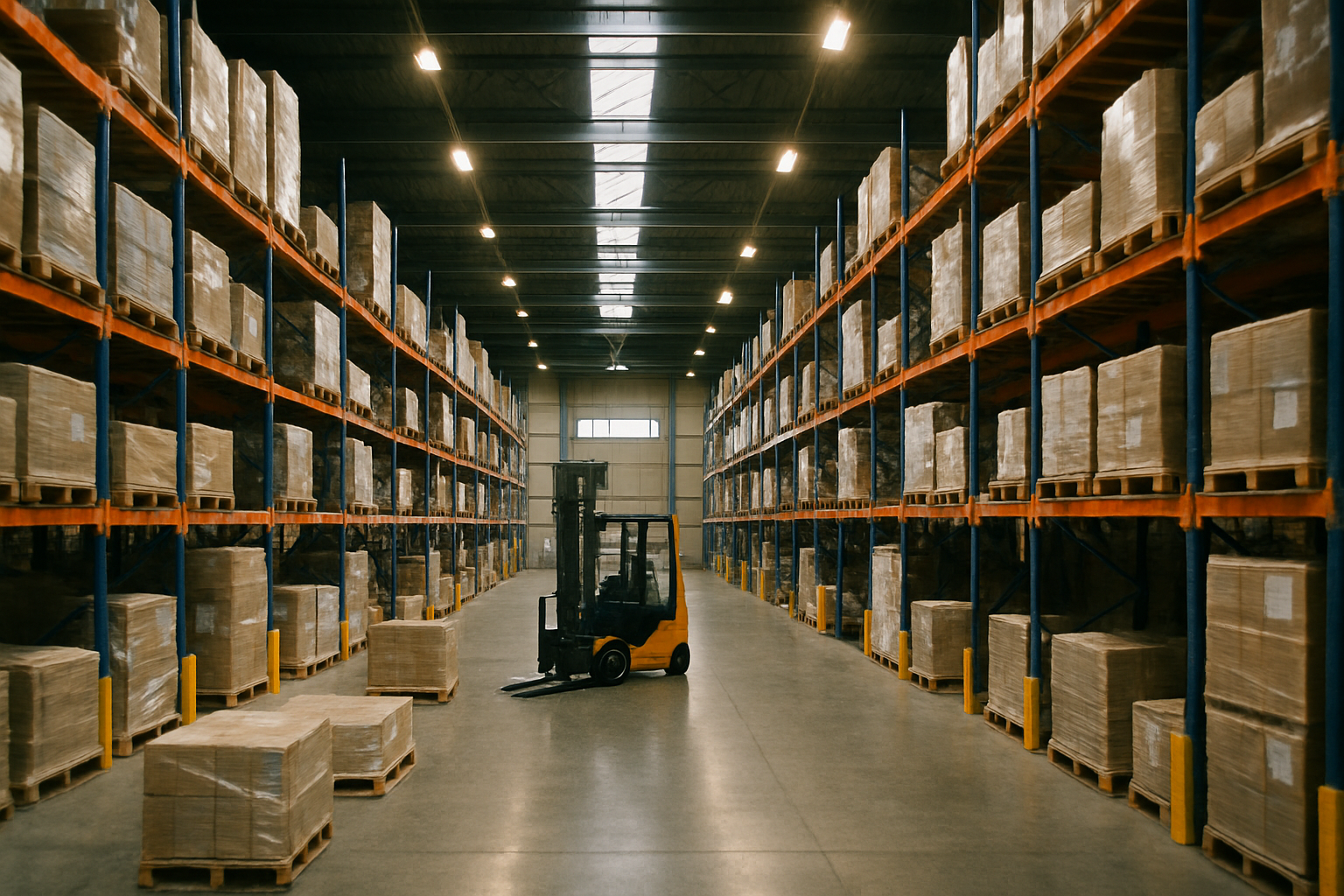
Dallas 3PL queries should start with the submarket — Dallas, Fort Worth, or AllianceTexas — not a national brand name. Here is how to compare the verified DFW nodes.
By UniteCargo Team • August 15, 2026 • 7 min read
A Dallas 3PL is not a Houston 3PL, and a Dallas building is not an AllianceTexas building. As of August 15, 2026, the Dallas–Fort Worth city page includes 3PL profiles based in Dallas, Fort Worth, Arlington, Plano, Addison, Frisco, Irving, Grapevine, and Carrollton. UNITECARGO does not declare a best provider.
Local selection rules
- Confirm whether the building sits in Dallas, Fort Worth, AllianceTexas, or another DFW submarket.
- Match outbound lanes to I-35, I-20, I-30, or I-45 rather than assuming metro-wide coverage.
- Ask which SKUs, temperature bands, and value-added work the site actually runs today.
- Check air-cargo or intermodal handoffs at DFW and Alliance before comparing storage rates.
- Require the same inventory, cutoff, and returns assumptions from every shortlisted site.
- Verify record freshness and any warehouse, food-grade, or hazardous-handling evidence before a site visit.
When to use a 3PL here
Use a 3PL when product has to sit, get picked, or get staged. Use a freight broker when the product is already ready to roll. Use a carrier when you have a dedicated I-35, I-20, or I-45 lane. Compare the live list on Dallas–Fort Worth 3PL providers and the statewide context on Texas 3PL providers.
Documented DFW 3PL records currently include GEODIS, Penske Logistics, Ryder Supply Chain Solutions, DB Schenker, and Kuehne + Nagel in Dallas; DSC Logistics in Fort Worth; Kenco Logistics Services in Arlington; and DHL Supply Chain and Werner Logistics in Plano. Open each profile for the actual base and documented capabilities.