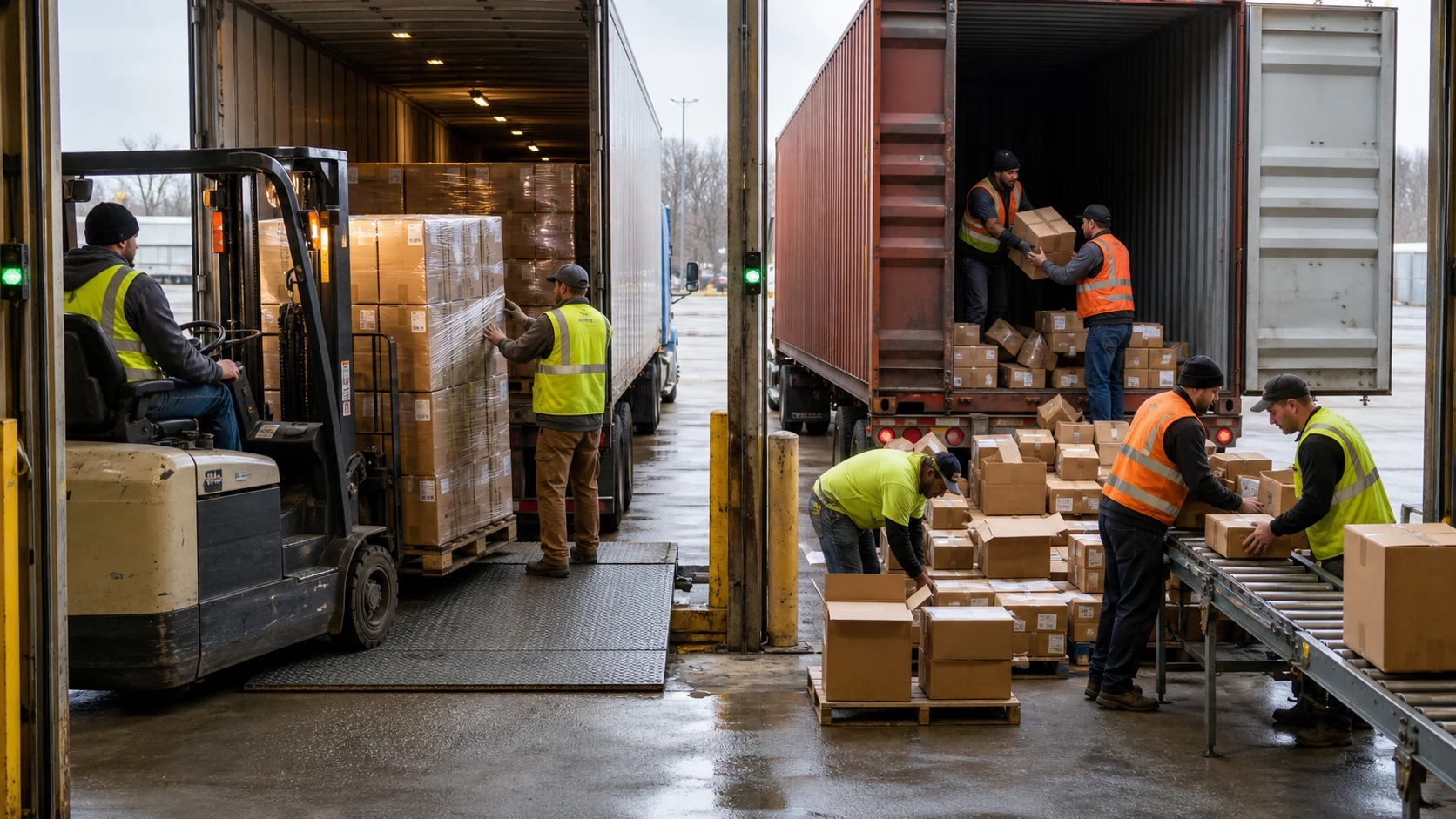
Cross-Docking vs. Transloading: Different Handoffs, Different Risks
Cross-docking synchronizes inbound and outbound flow; transloading changes equipment, mode, or cargo presentation, and each requires a different control plan.
Insights and resources for American Logistics
Cross-docking synchronizes inbound and outbound flow; transloading changes equipment, mode, or cargo presentation, and each requires a different control plan.
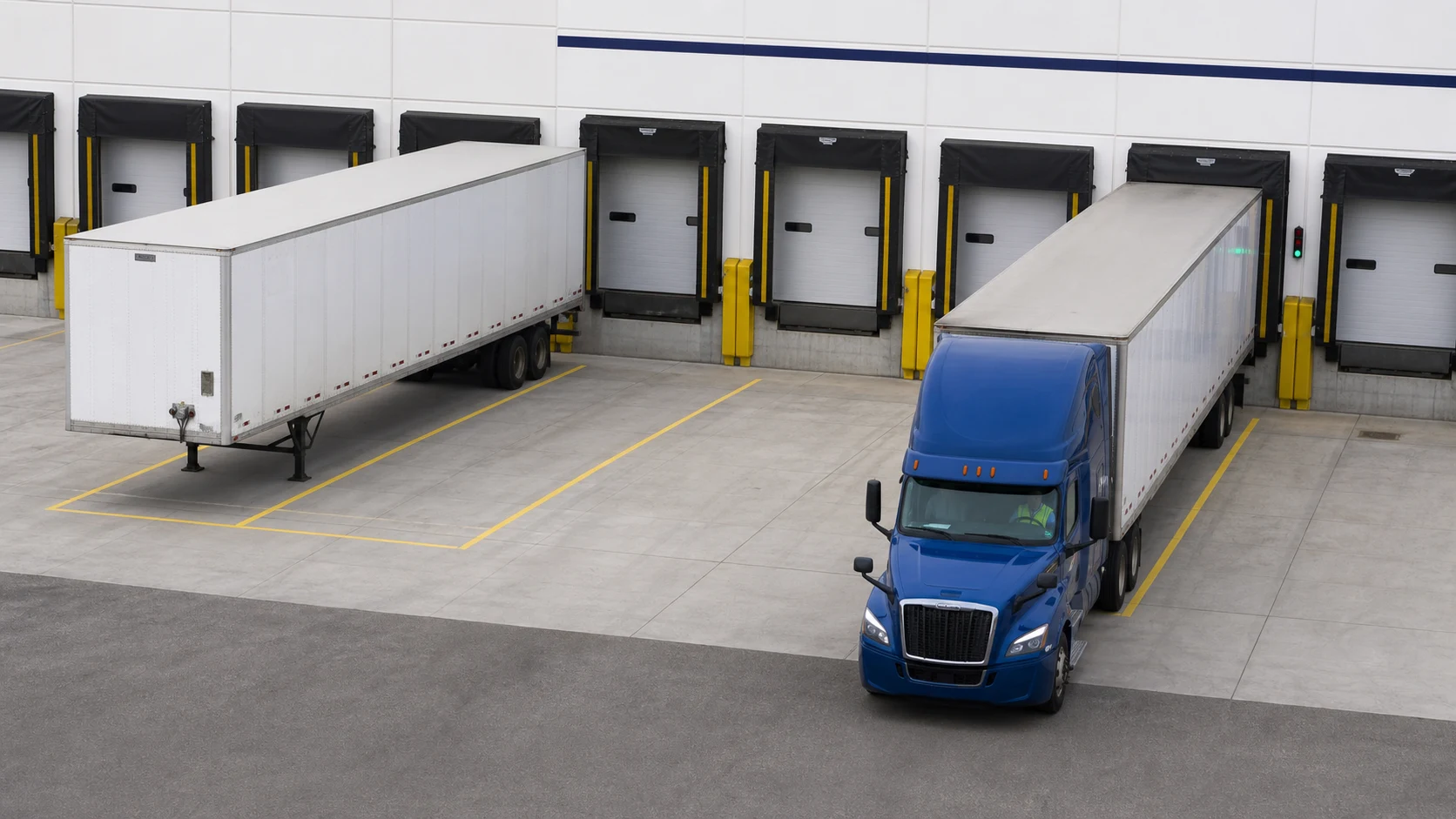
Live and drop operations consume different combinations of driver, tractor, trailer, yard, labor, and inventory capacity; the right model prices all of them.
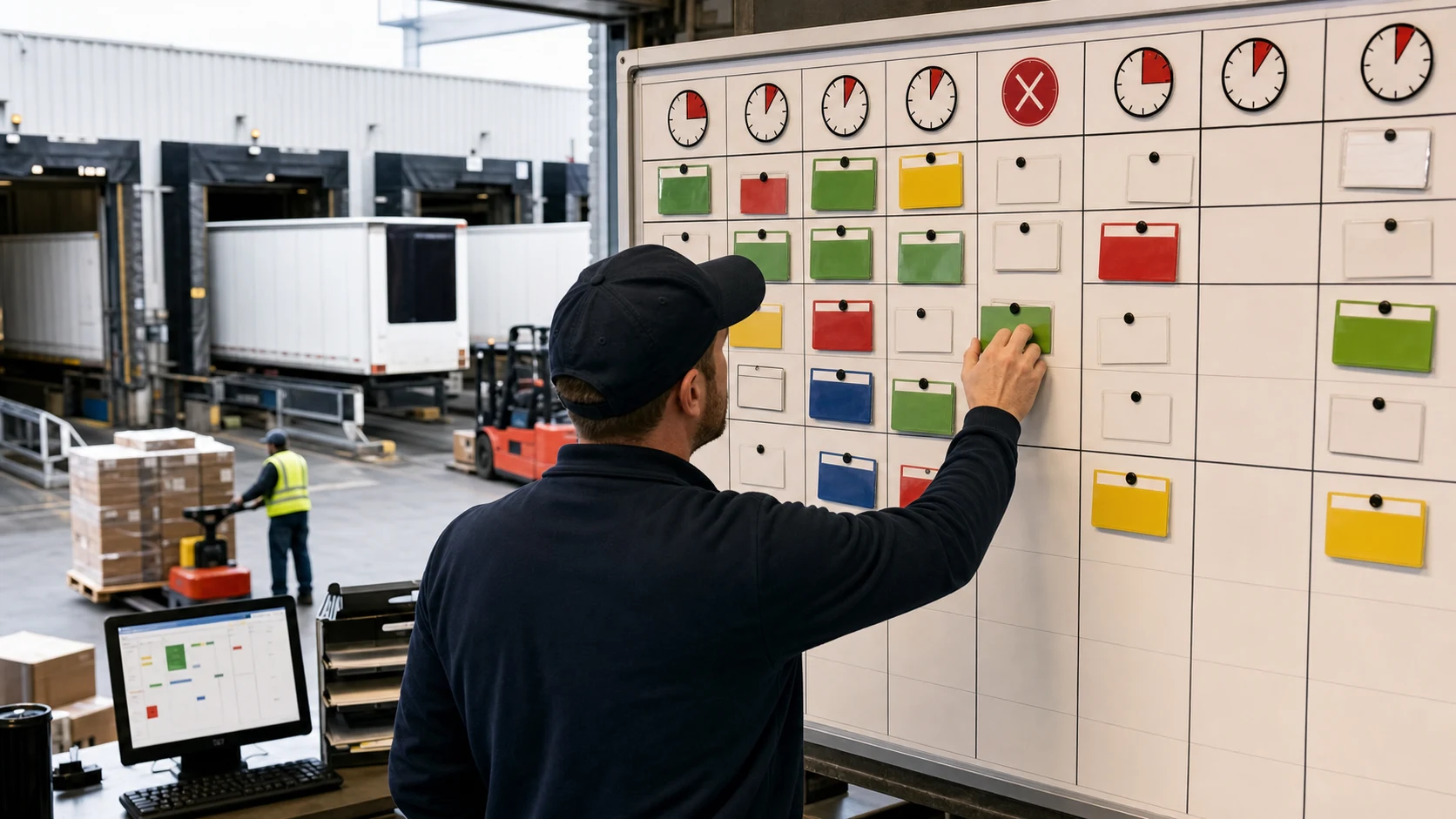
A dock appointment should allocate compatible doors, labor, yard space, and freight readiness—not merely place a carrier on a calendar.
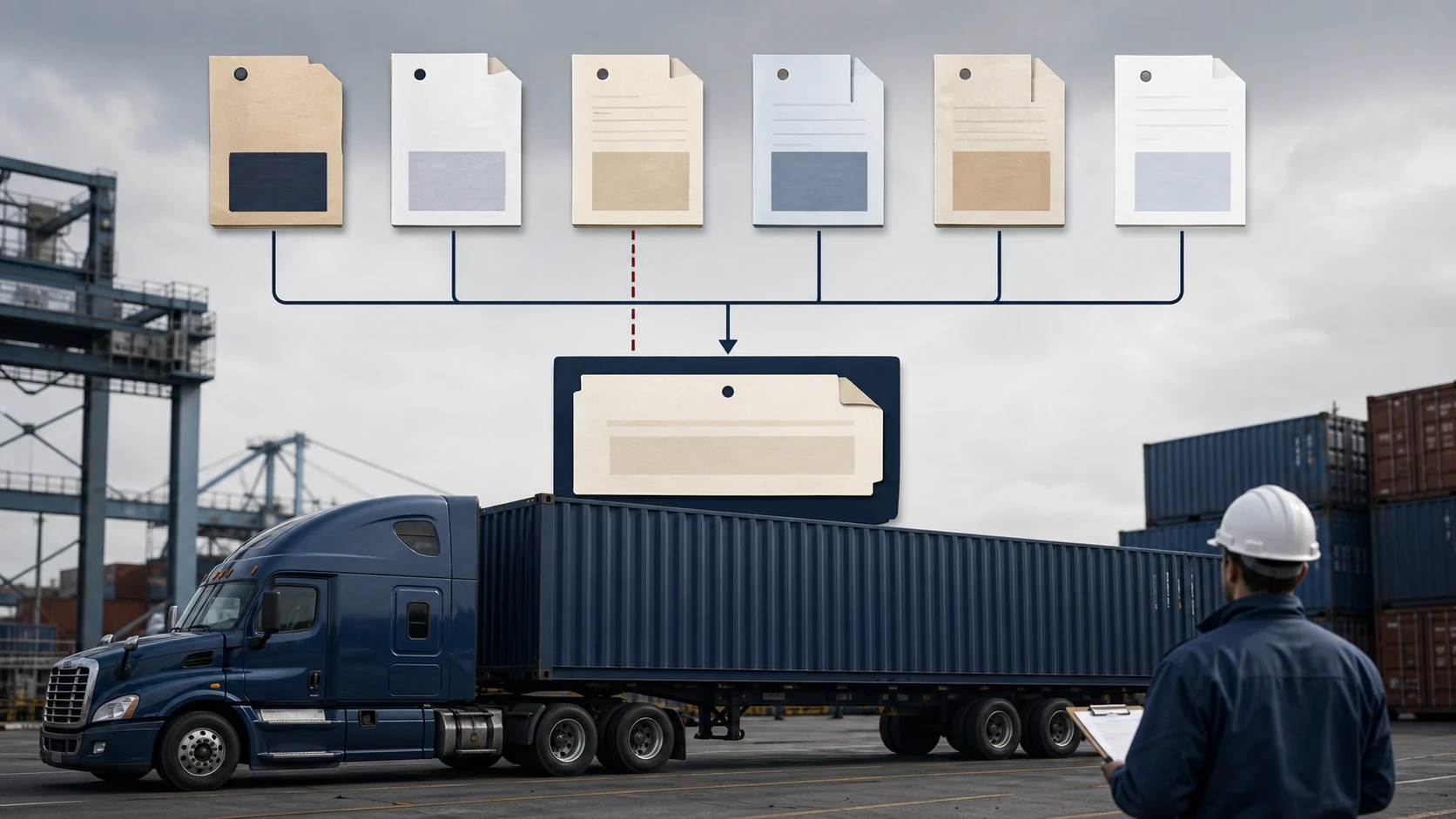
Master agreements, shipment tenders, tariffs, carrier rules, bills of lading, delivery records, and invoices can conflict. Define who can bind whom, which terms are incorporated, and which record governs each issue before freight moves.
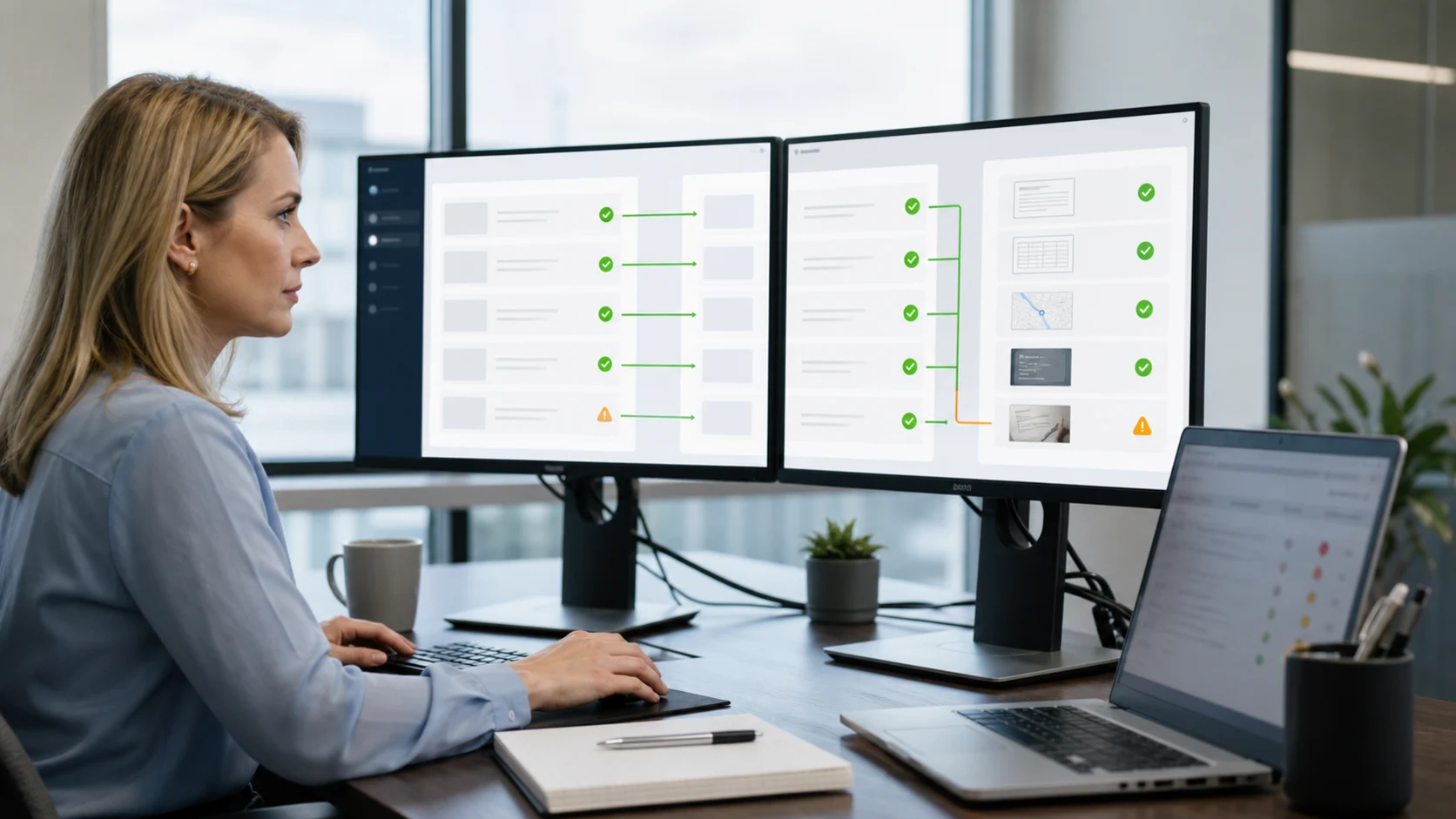
Freight audit should replay the agreed rate against verified shipment events, route only genuine exceptions, protect payee changes, and pay clean invoices without making carriers finance an internal data problem.
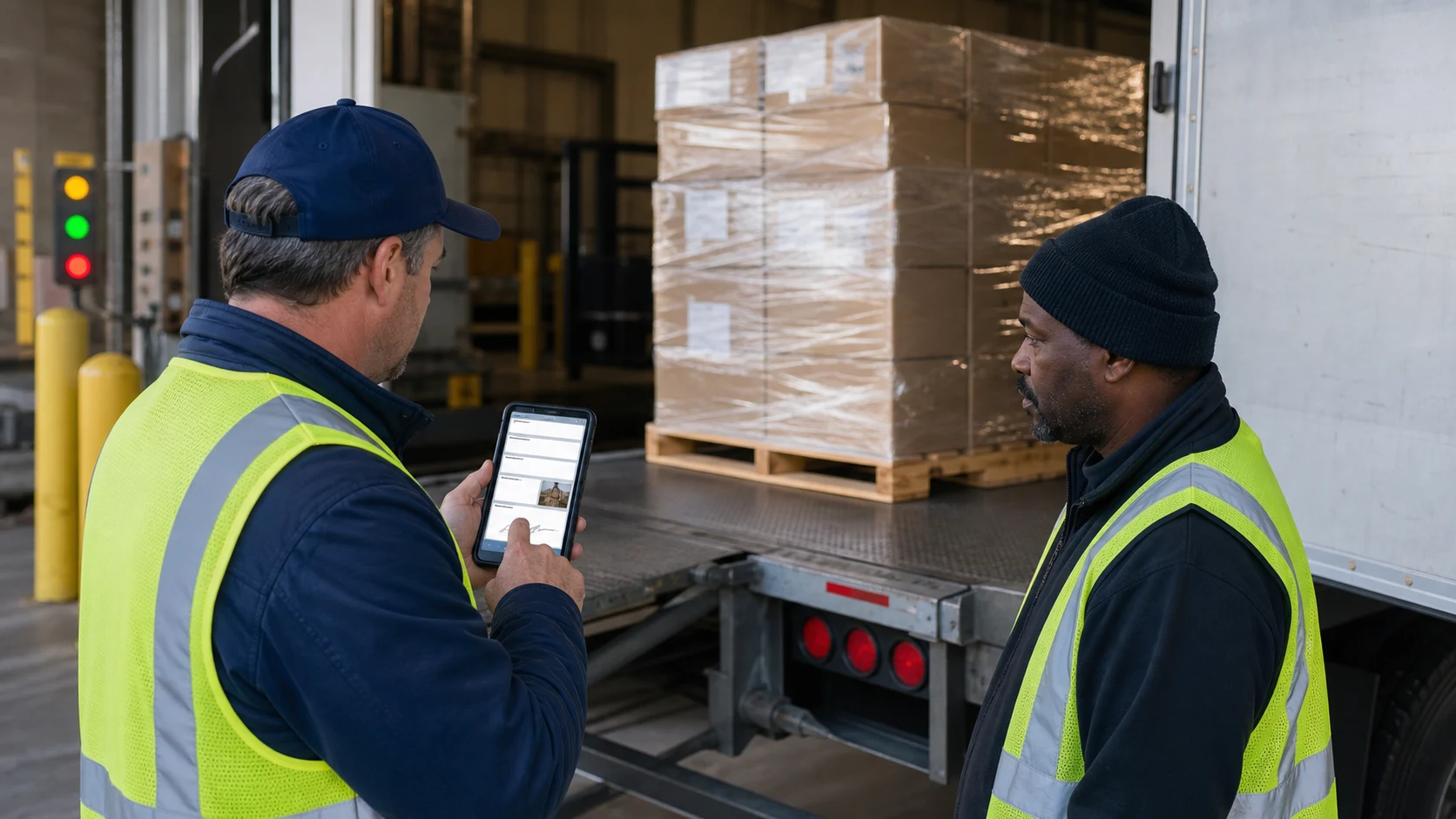
A signature is only one delivery signal. Strong proof of delivery ties the shipment, place, time, receiver, quantity, condition, exceptions, and record history into a defensible evidence chain.
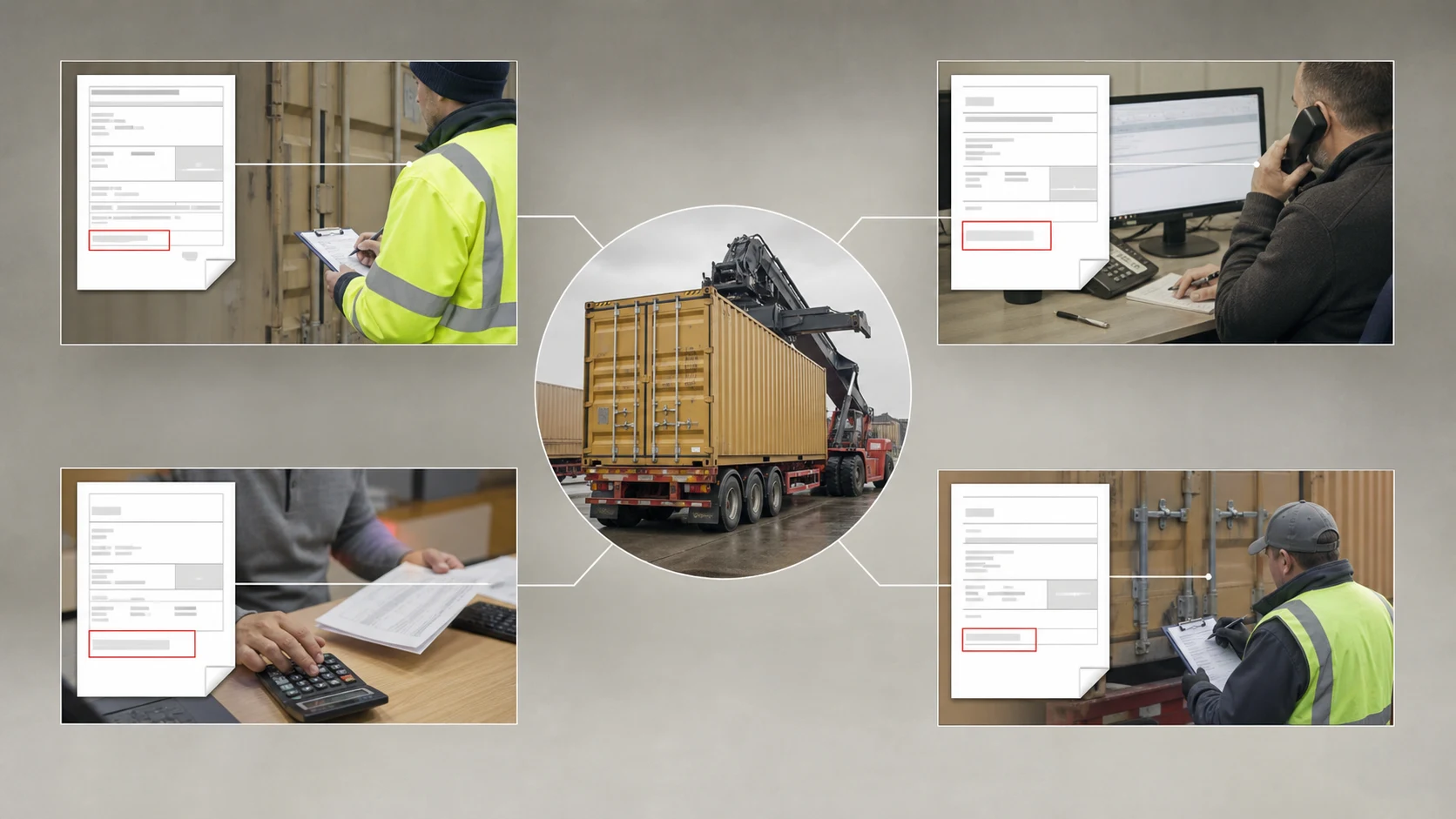
A bill of lading, rate confirmation, freight invoice, and proof of delivery record different parts of one shipment. Resolve conflicts by asking which parties, facts, and obligations each document was built to govern.
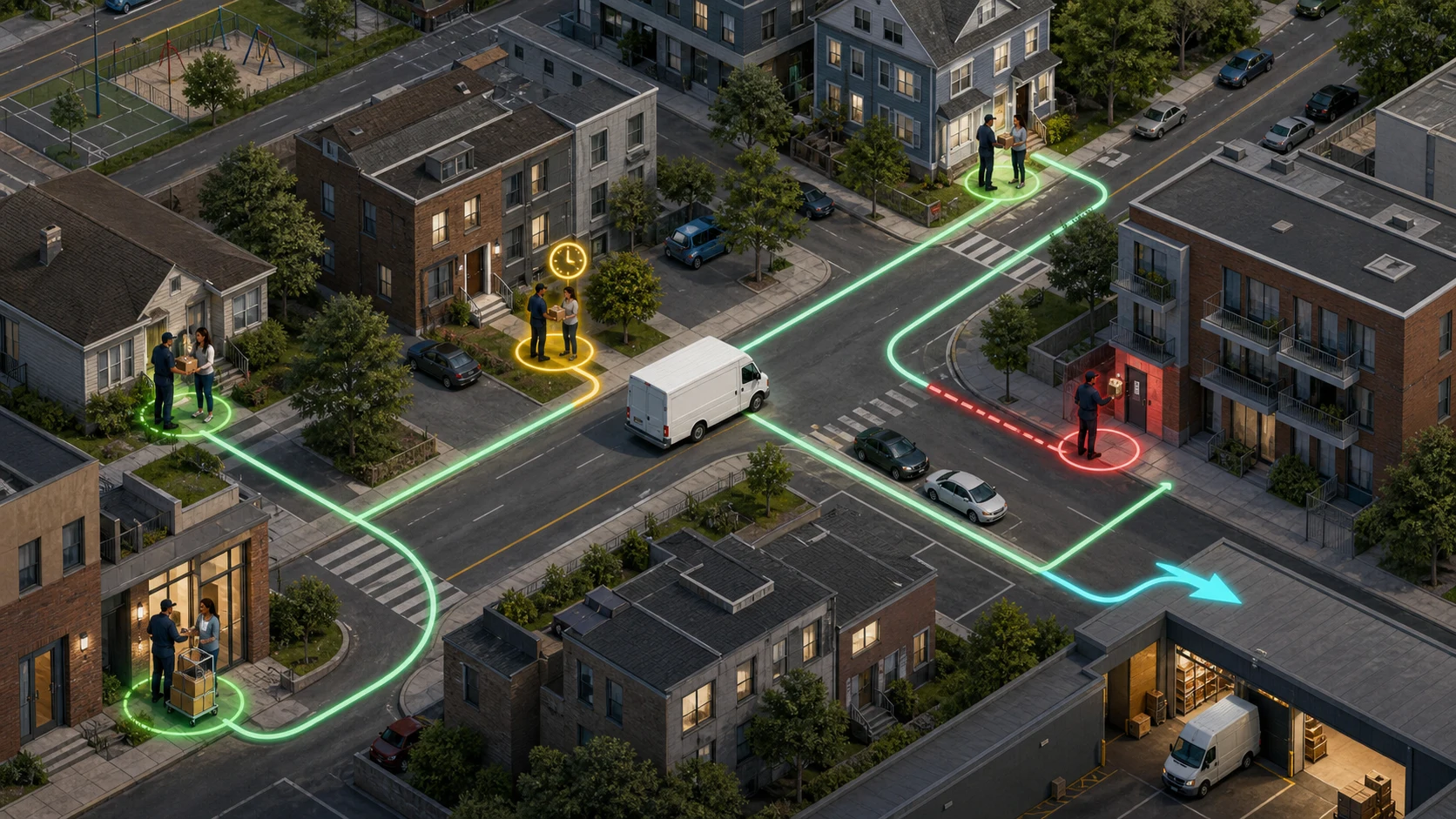
Last-mile cost is largely designed upstream through delivery windows, stop density, service time, first-attempt success, and returns—not discovered after a carrier submits a rate.

A forwarder can move the shipment and a customs broker can transact with CBP, but neither replaces the importer's control of product data, admissibility, instructions, and post-entry records.
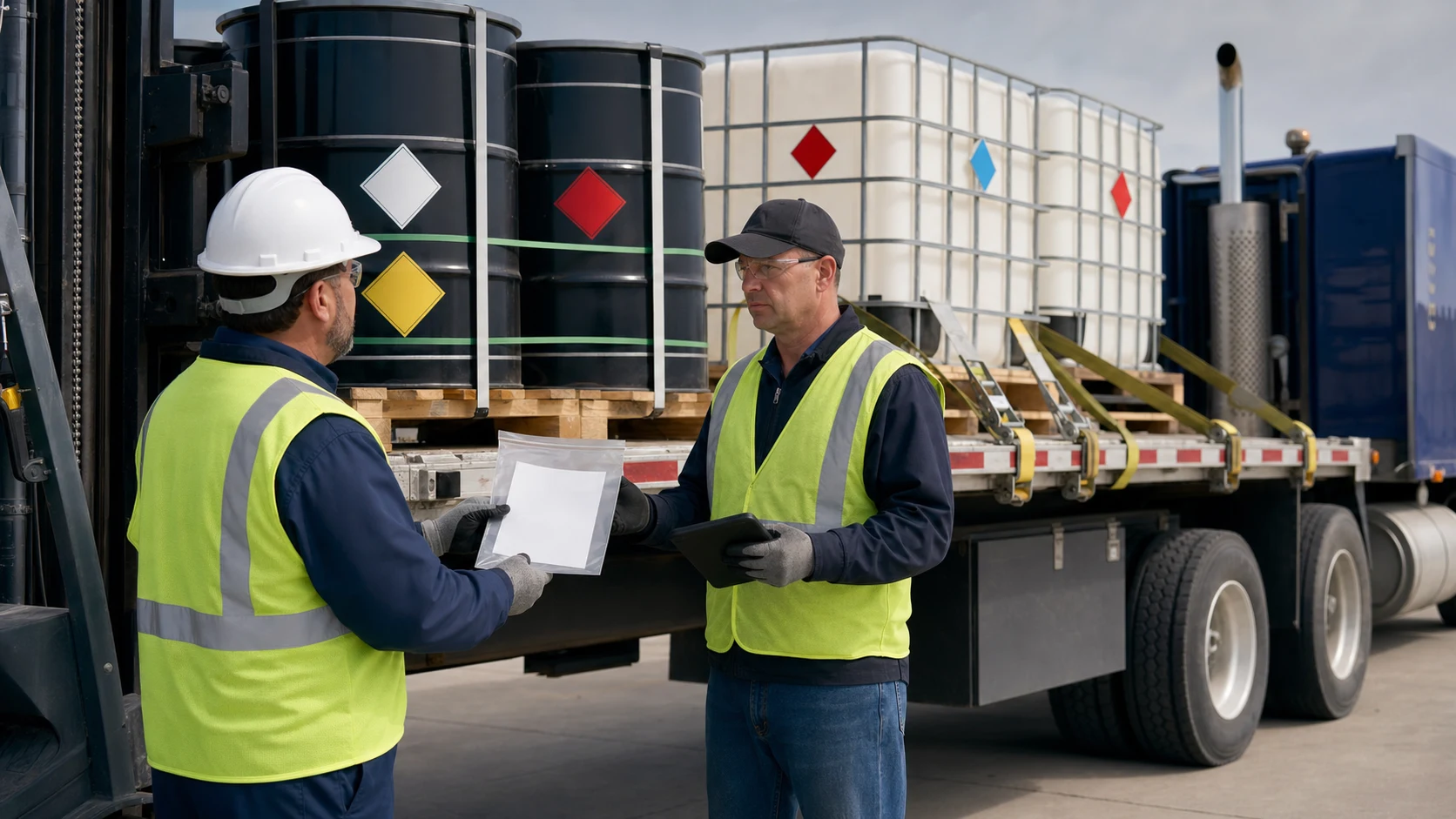
Hazmat compliance is a chain of regulated functions, not a placard check; this guide maps the critical work from classification and packaging through acceptance, transport, and incident reporting.
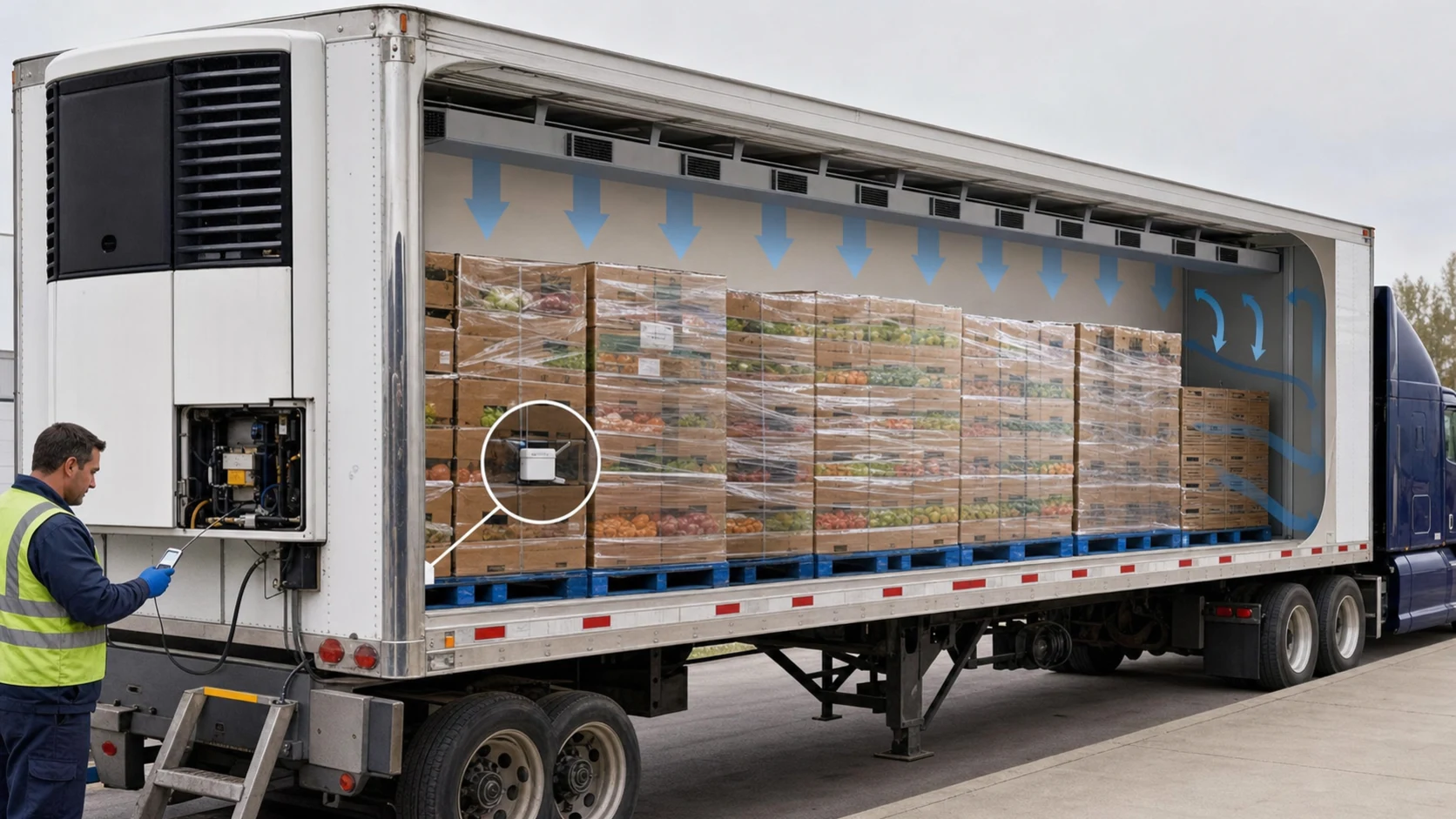
A reefer set point is not a cold-chain plan; reliable temperature-controlled freight starts with a product specification, explicit handoffs, usable evidence, and a disposition process.
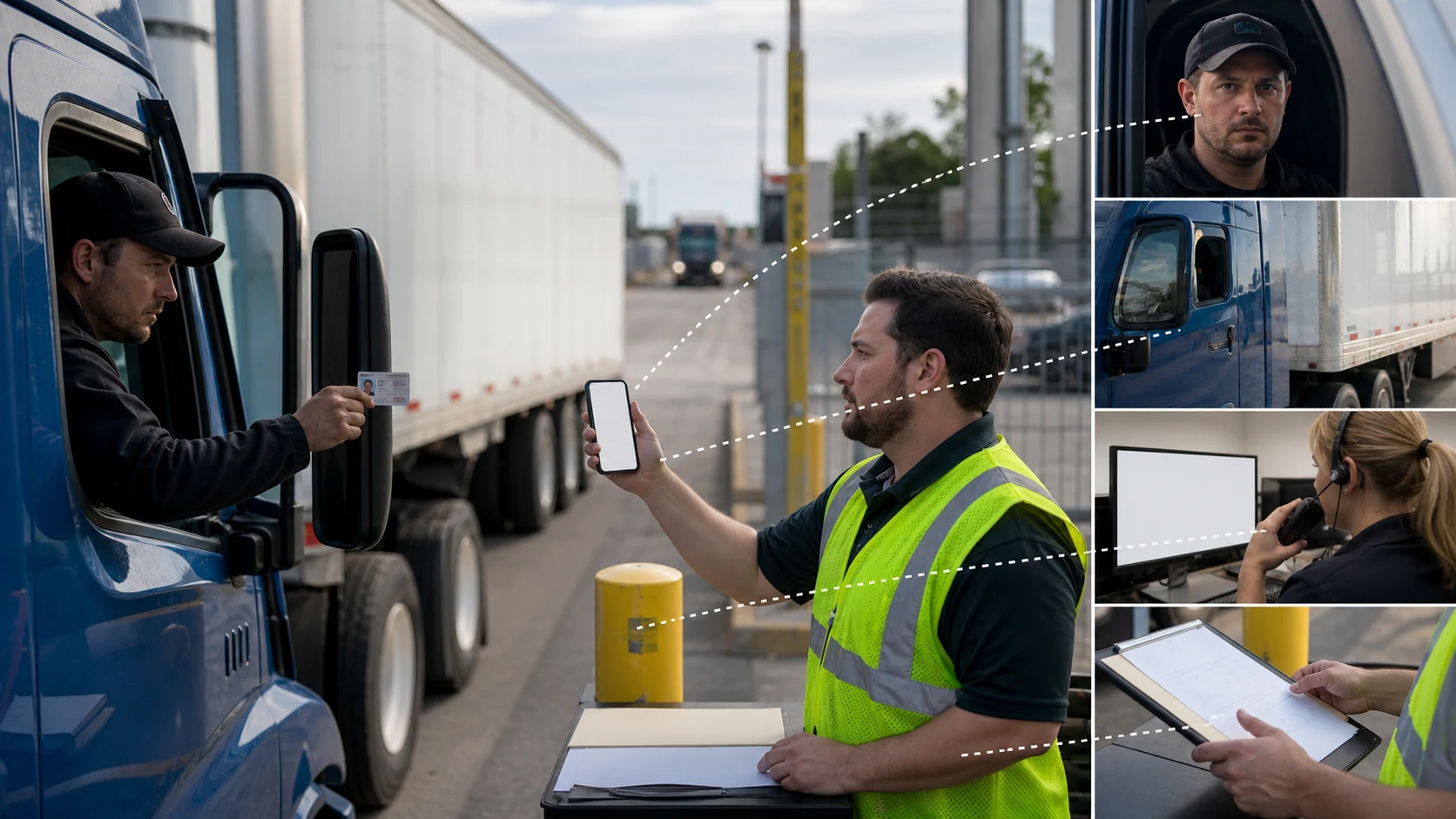
Freight fraud controls must bind a verified company to the specific dispatcher, driver, equipment, pickup, route change, invoice, and bank account used on the load.
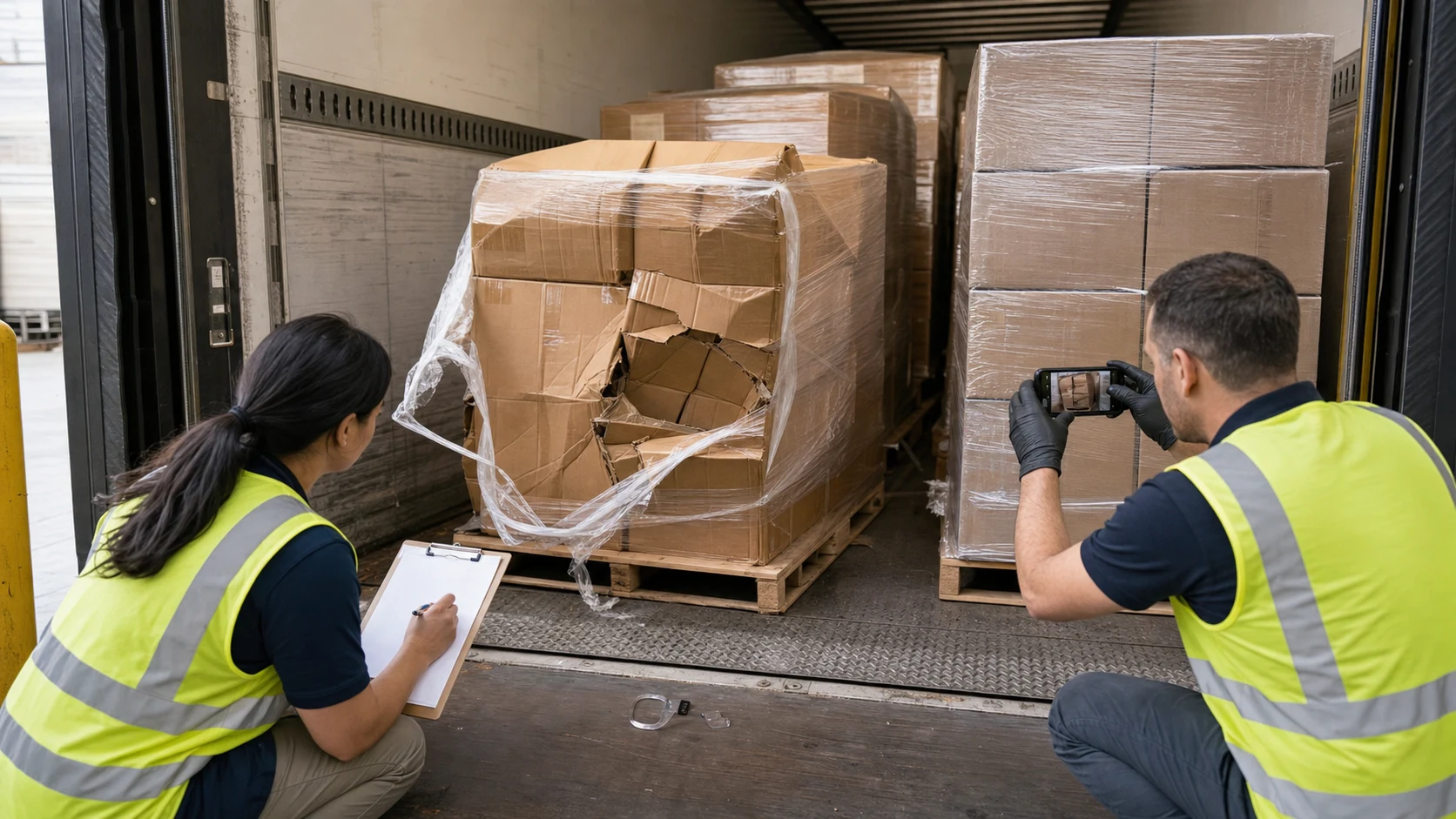
A freight claim is won or lost in the shipment record: condition, custody, notice, value, mitigation, and the correct mode-specific clock.
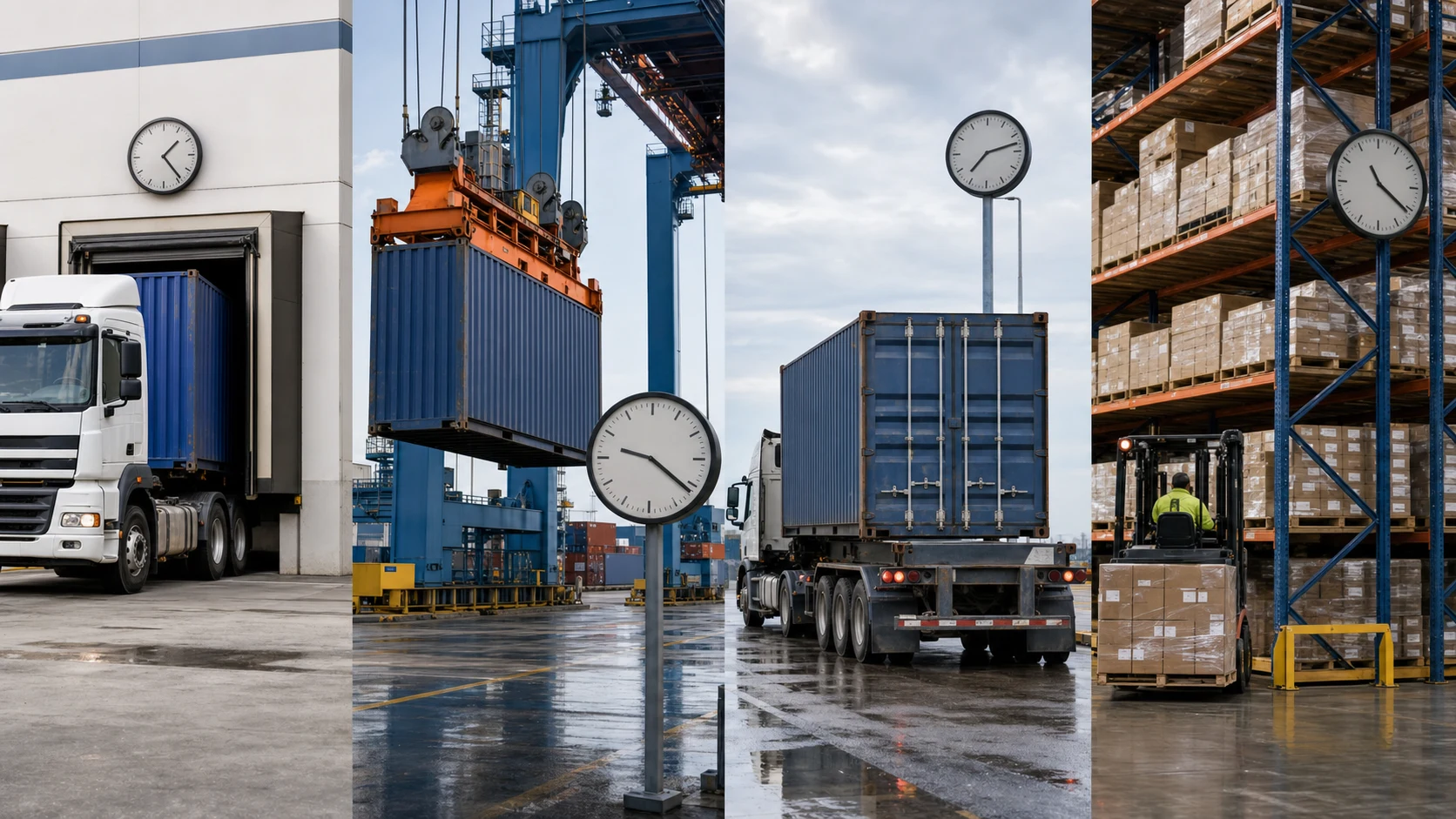
Control time-based freight charges by separating the asset, location, clock, rate source, evidence, and party that could actually move the freight.
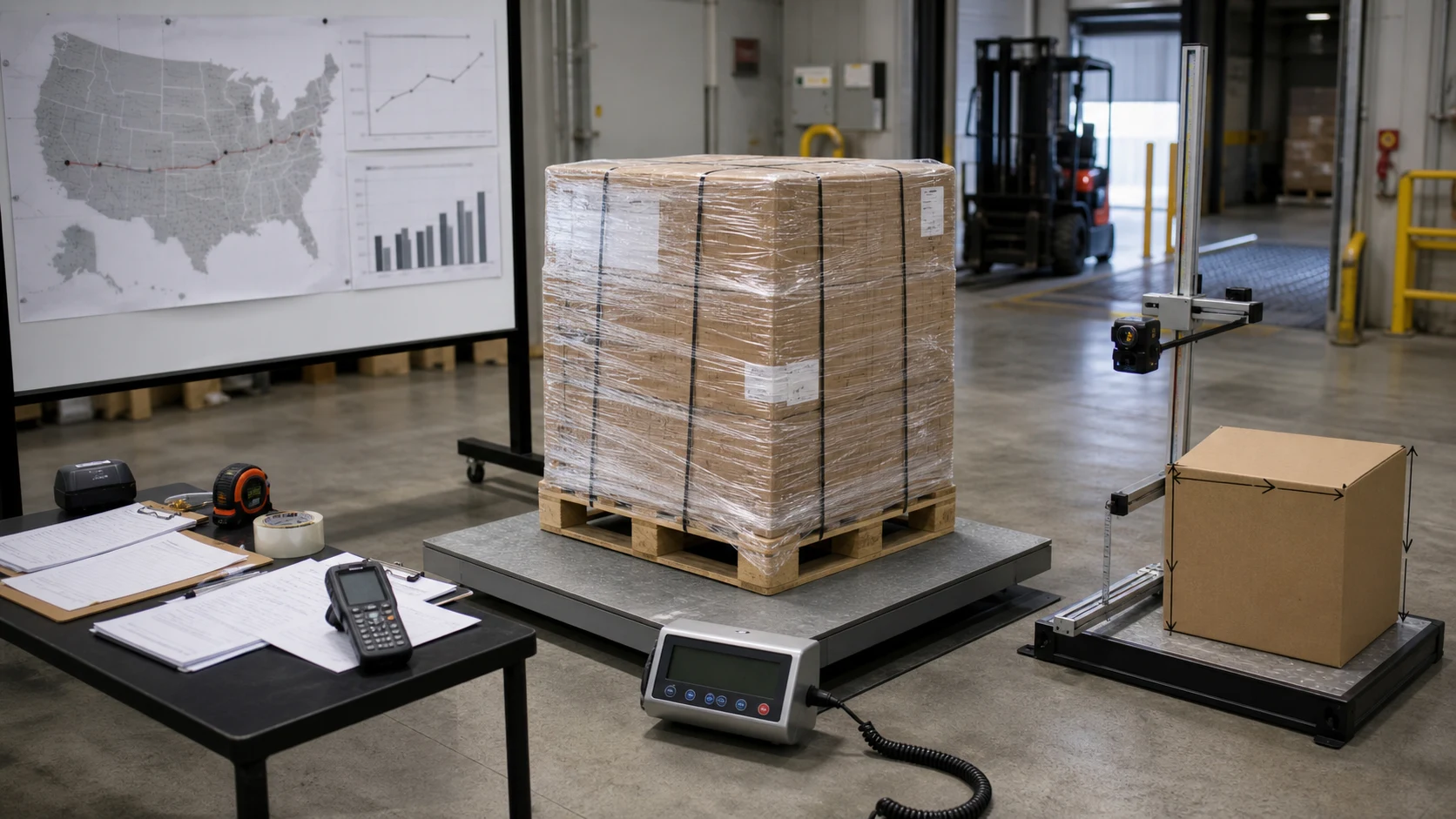
A usable freight rate is not one number; it is a priced operating plan whose assumptions must survive tender, execution, and invoice audit.
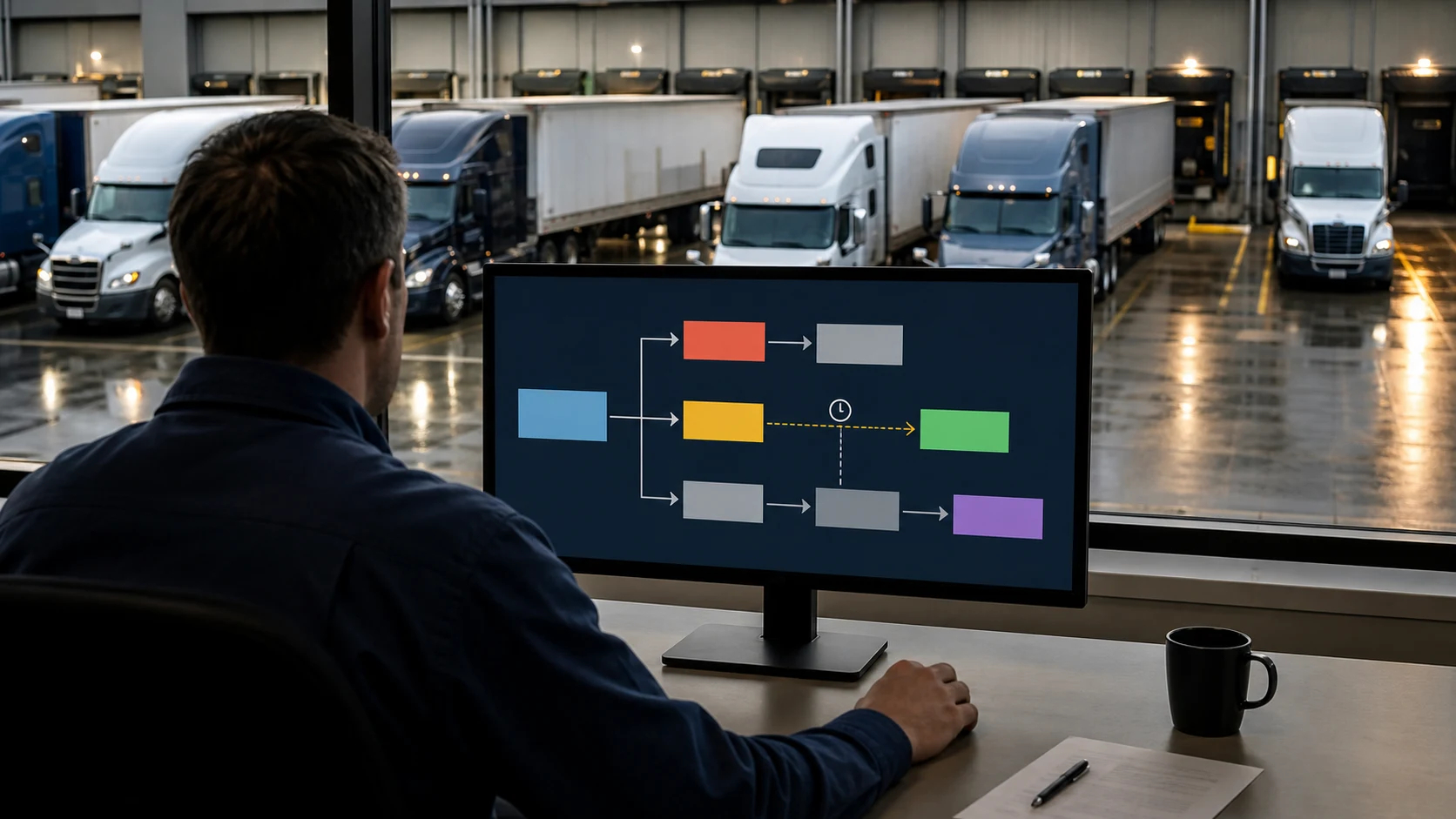
A routing guide should execute an approved capacity policy, including eligibility, tender deadlines, fallback order, and controlled exceptions.
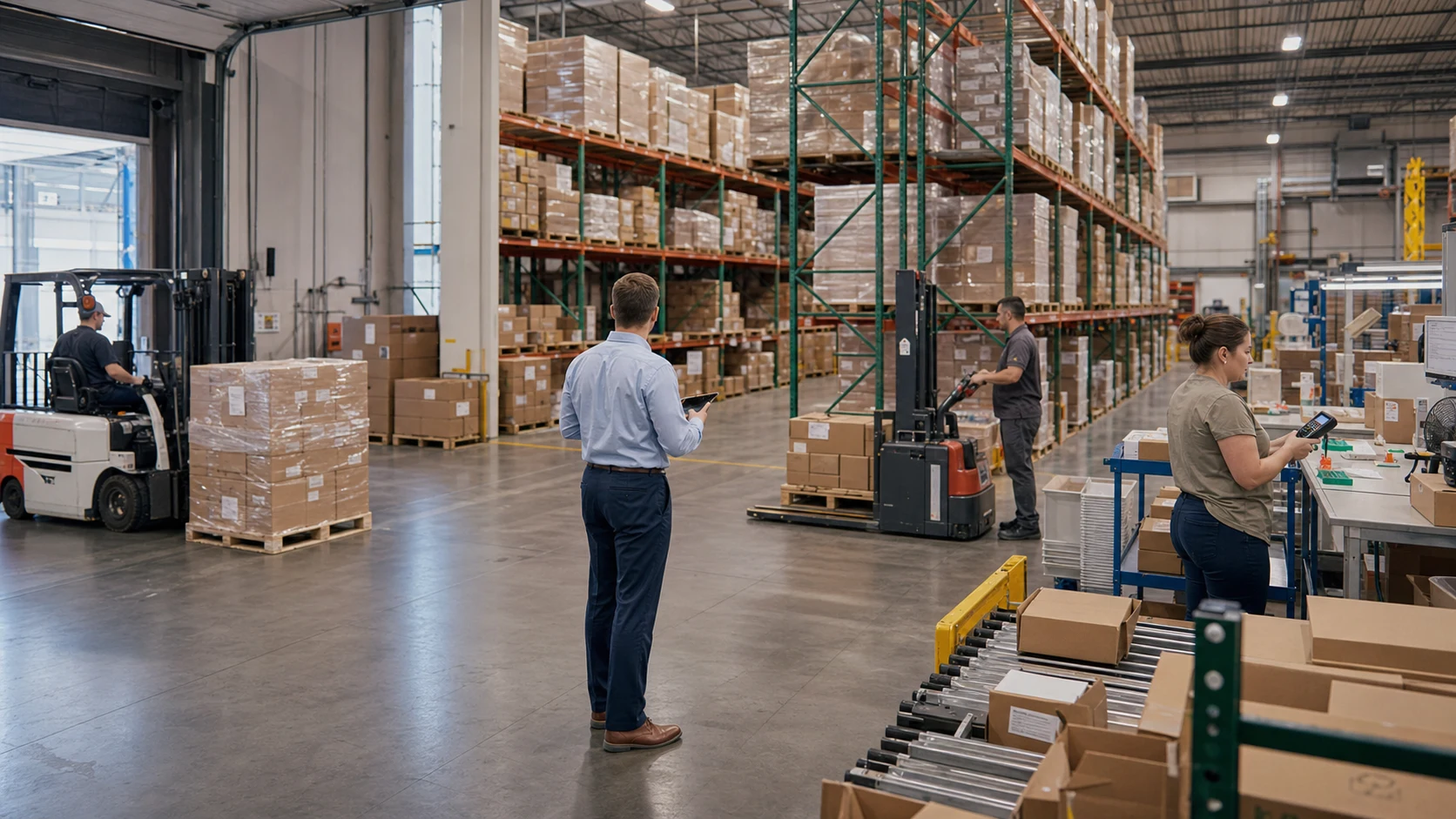
A useful warehouse RFP tests the provider against your real inventory, order, systems, labor, and exception profile before price is normalized.
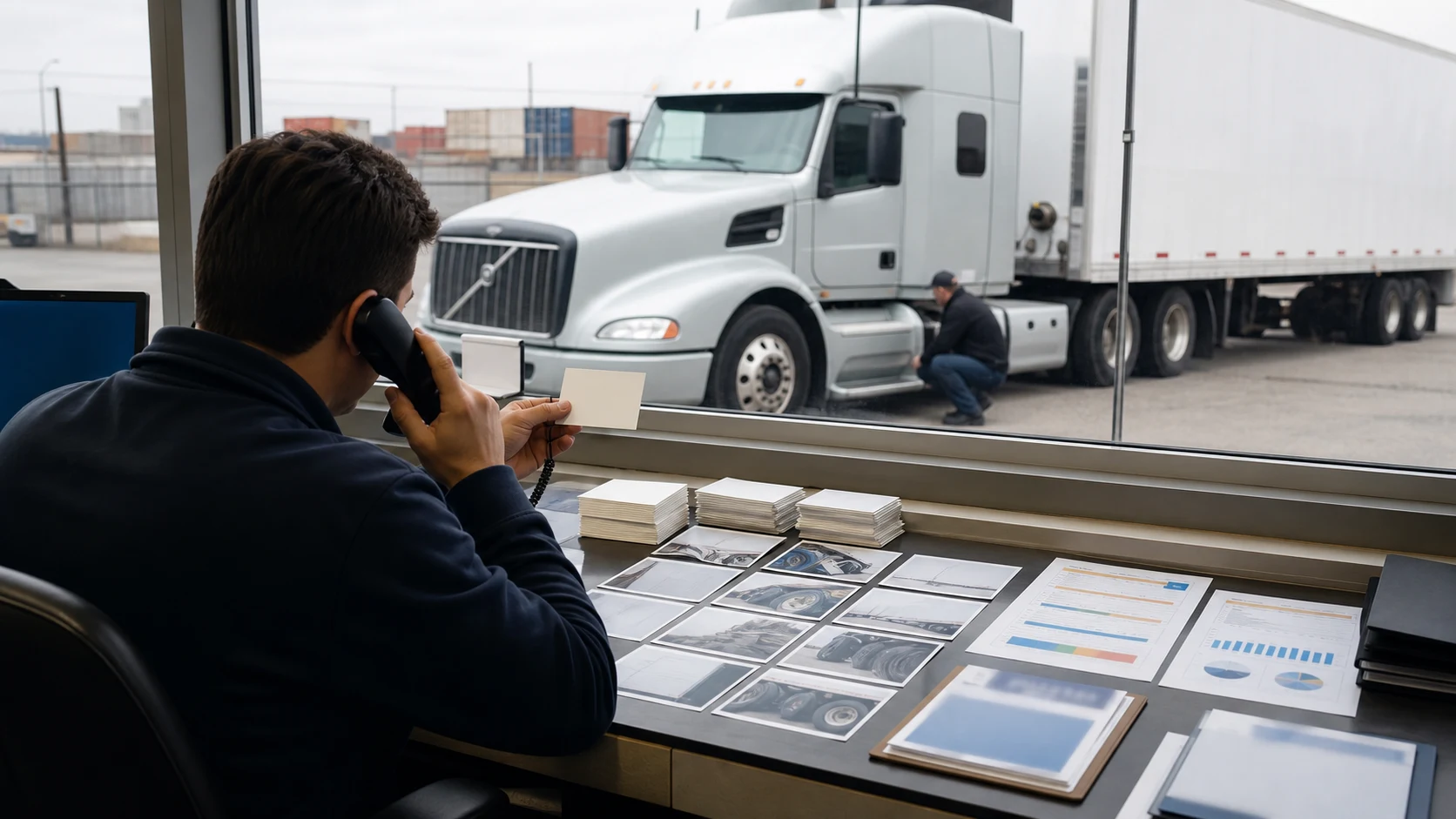
A defensible carrier gate verifies identity, authority, insurance, safety context, and lane fit before the truck reaches the dock.
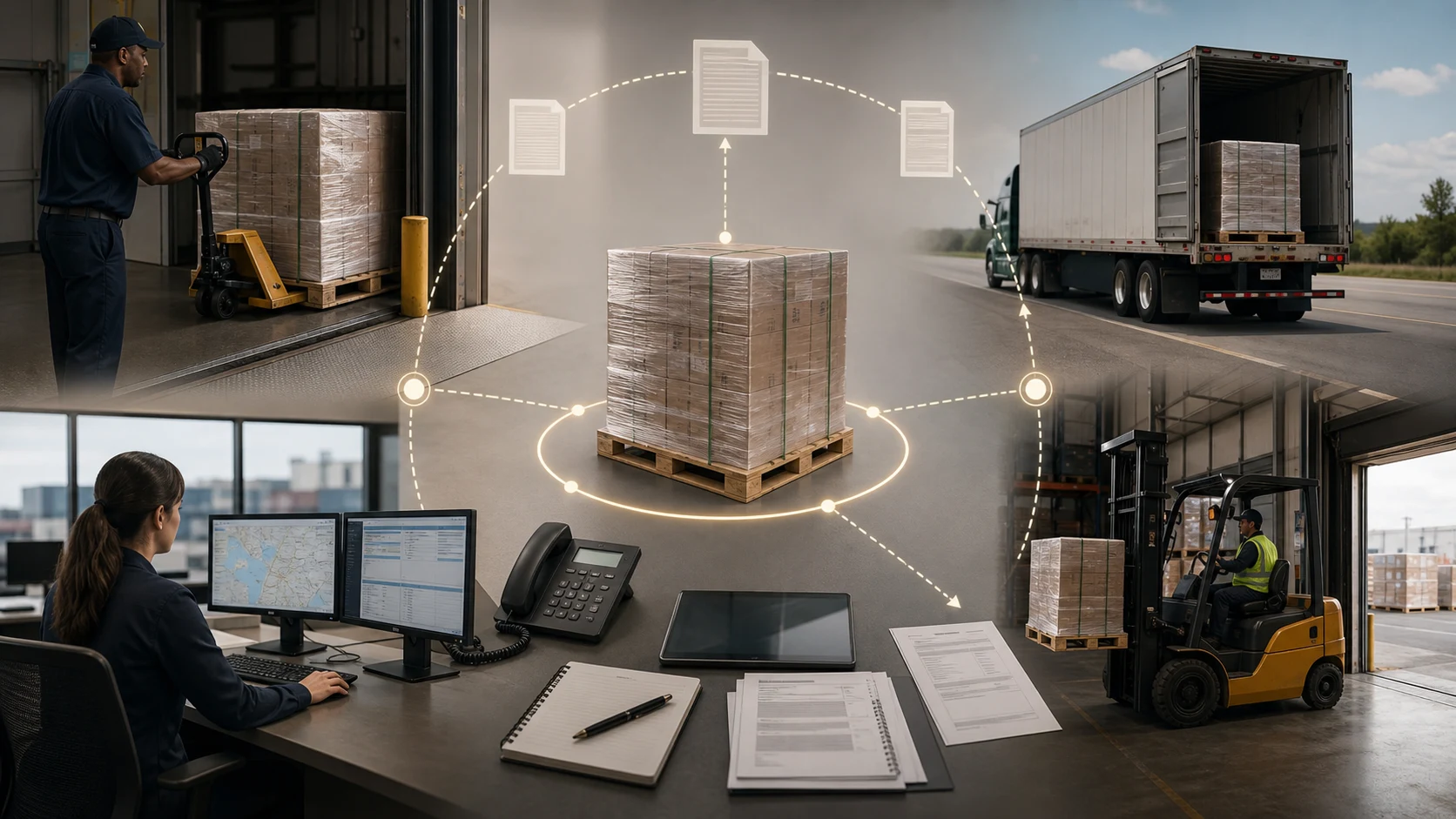
The name on the proposal matters less than the legal role, contract, and transport document attached to each service.
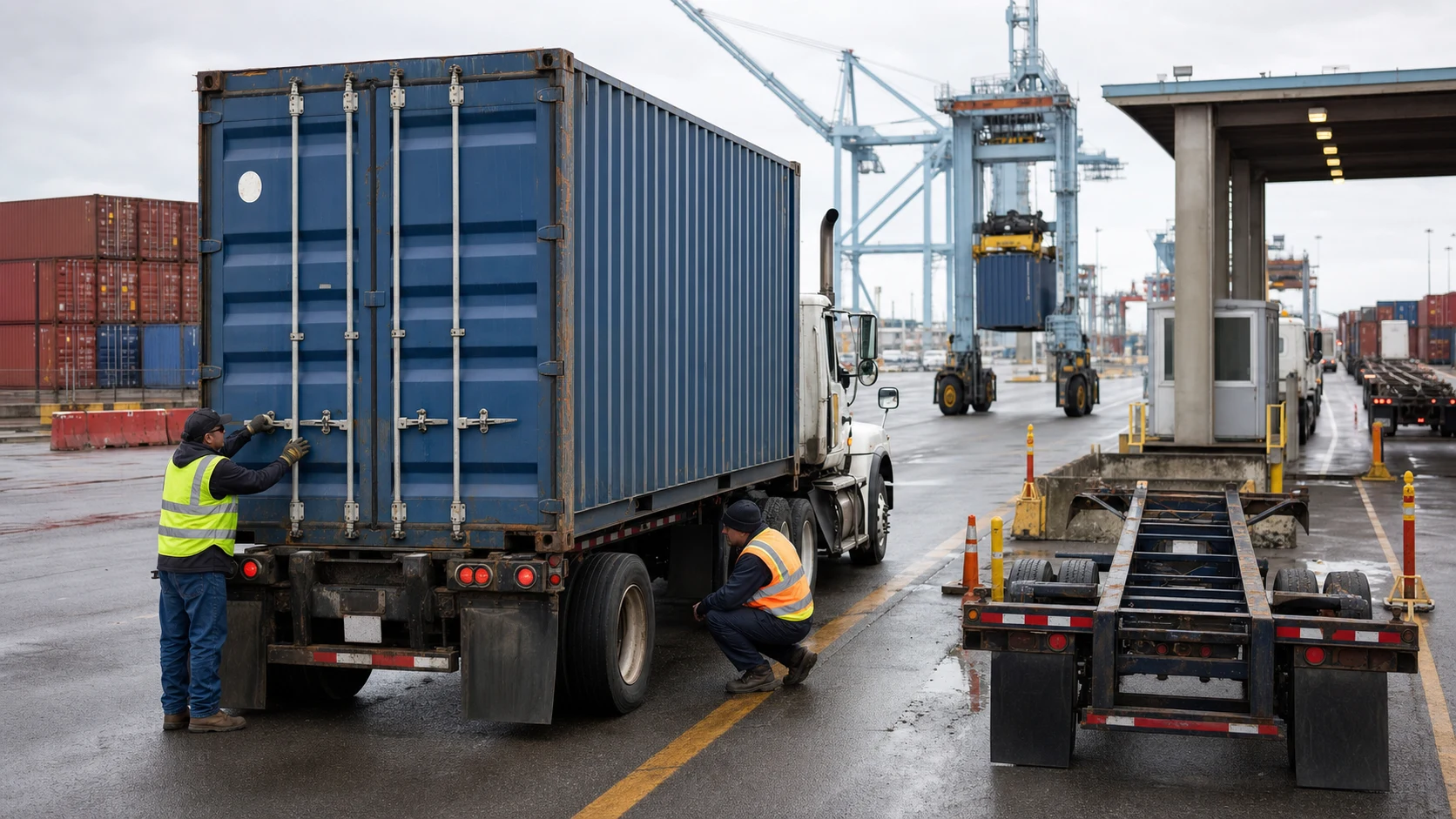
An operator's map of container releases, appointments, chassis, free-time clocks, delivery, and empty return across U.S. port and rail drayage.
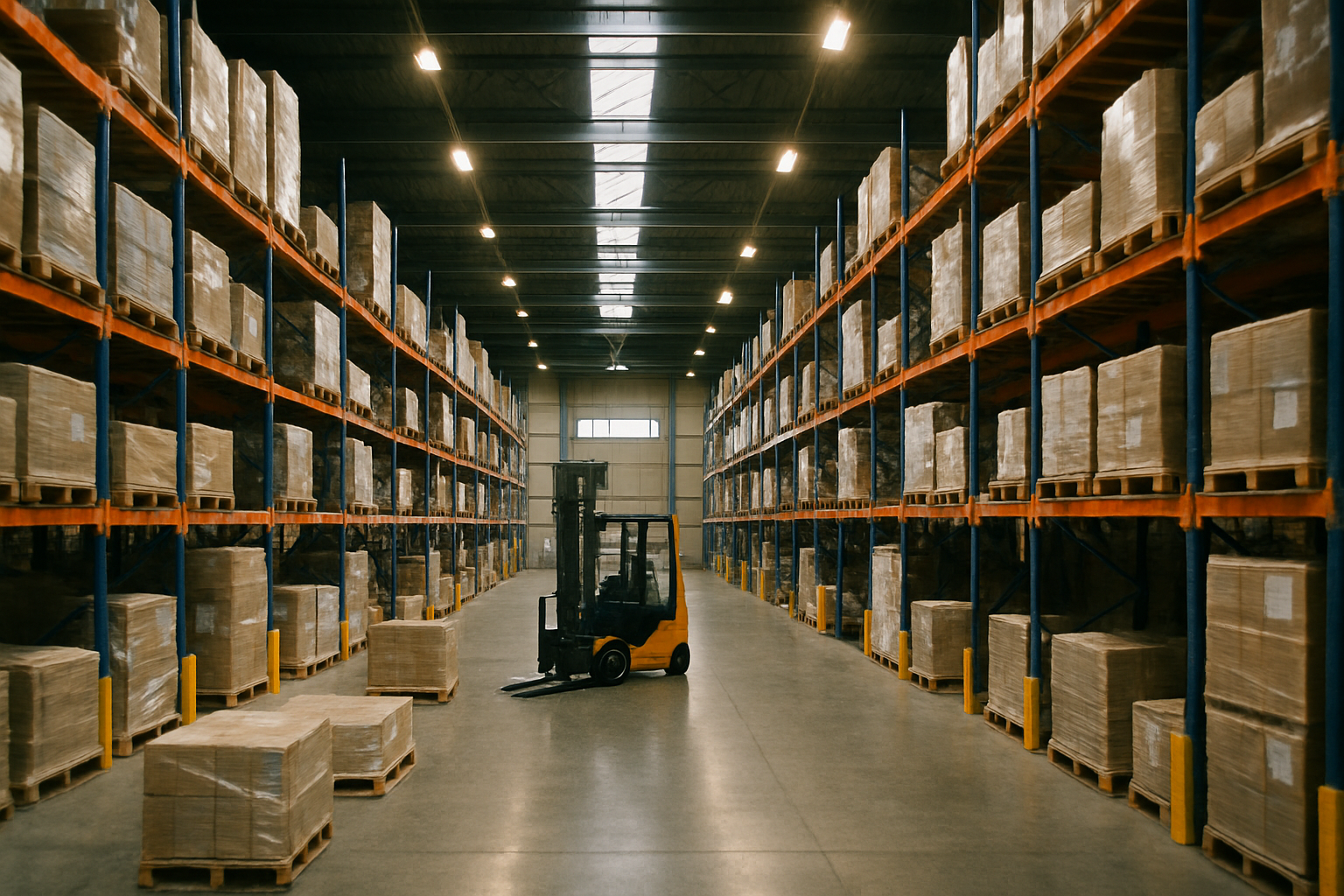
BDL4 is Amazon’s Windsor, Connecticut fulfillment center. If the query is warehouse or 3PL capacity in that market, compare the verified Connecticut nodes instead of restating the Amazon profile.
Alaska Marine Lines is a frequent branded lookup. Compare verified Anchorage ocean and forwarding identities, and confirm whether the freight actually ends in Anchorage.
The Delivery People is a Honolulu last-mile profile. Compare other verified Oahu delivery identities when the query is island final-mile, not a mainland LTL problem.
Swift Transportation Co of Arizona LLC is a Phoenix carrier (MC-136818, USDOT 54283). Use this page to compare other verified Phoenix trucking identities instead of reciting the same profile.
A usable US customs-broker list is a CBP identity plus a port, not a generic “we clear freight” claim. Here are the verified UNITECARGO profiles that publish a filer code.
Bulky metro freight is usually a last-mile appointment problem, not an LTL problem. Compare New York, Miami, Atlanta, and Phoenix last-mile profiles by radius, handling, and proof of delivery.
New Jersey 3PL work is a Newark–Elizabeth, Newark Liberty, and I-95 problem. Compare the five verified state 3PL profiles by terminal access, not square footage.
Dallas 3PL queries should start with the submarket — Dallas, Fort Worth, or AllianceTexas — not a national brand name. Here is how to compare the verified DFW nodes.
Texas 3PL is a node decision, not a brand ranking. Compare Houston port-side buildings against DFW and AllianceTexas using documented services, corridors, and record freshness.
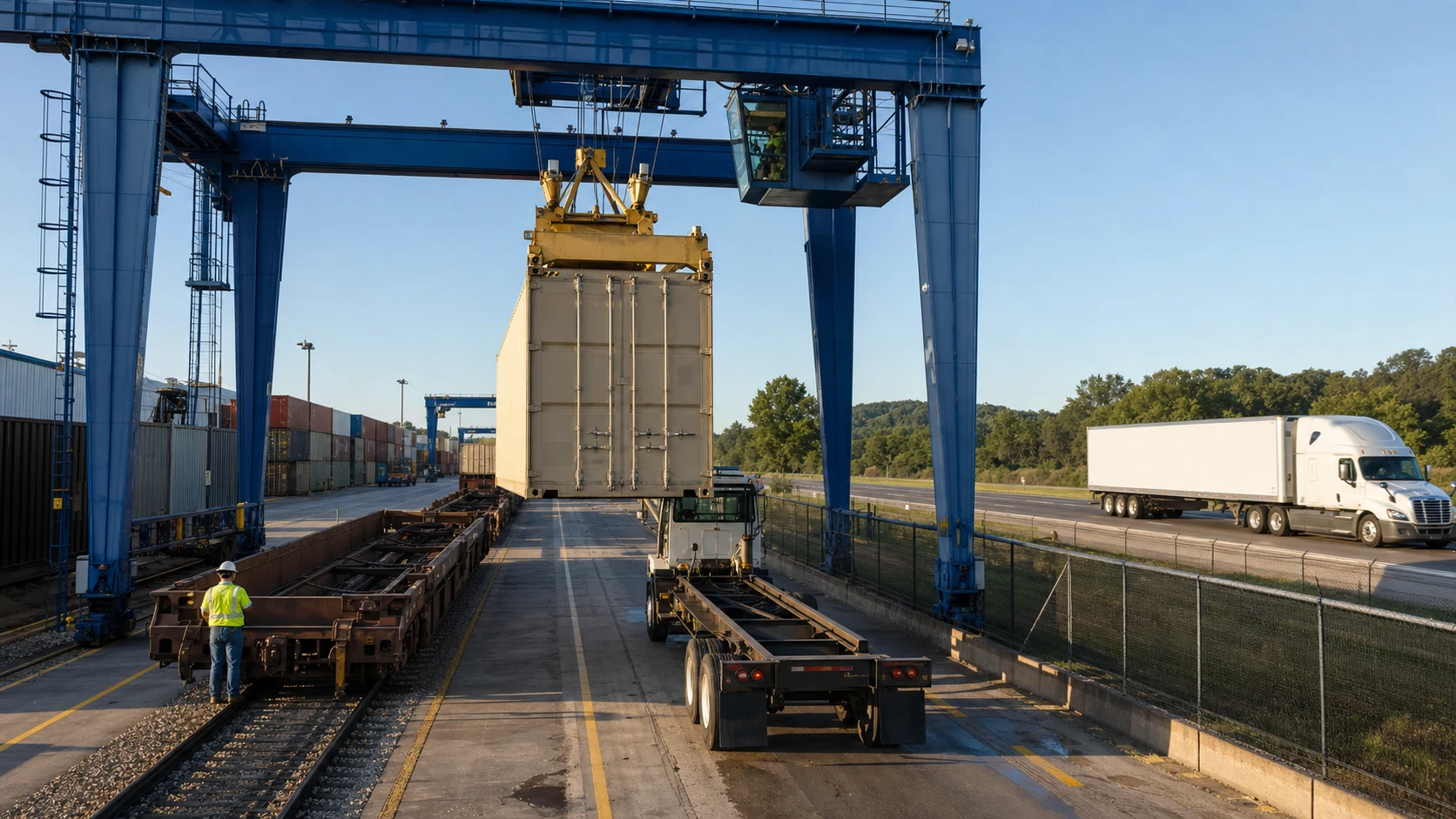
A door-to-door framework for deciding when rail intermodal savings survive drayage, terminal handling, inventory, and exception costs.
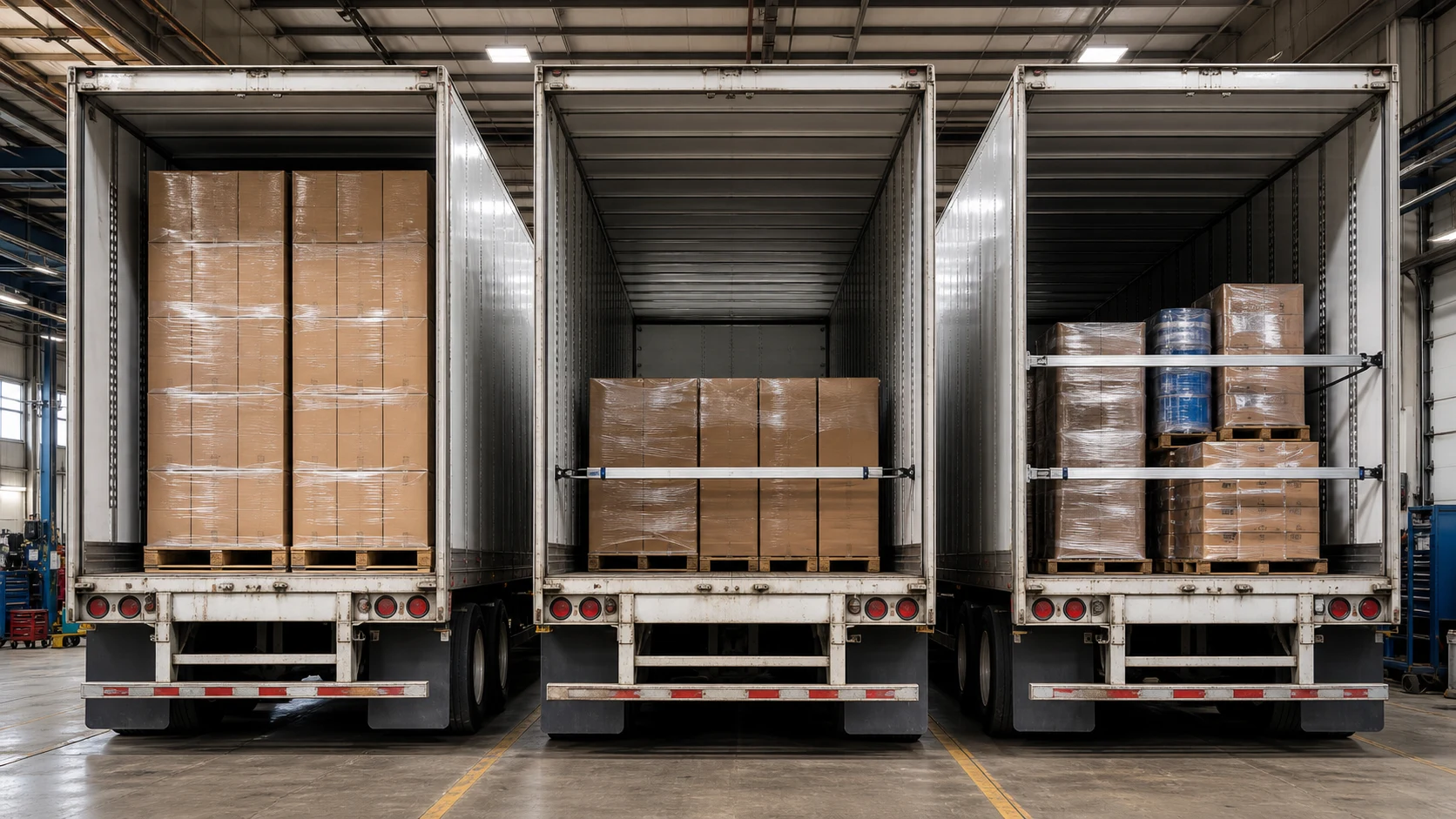
A shipment-level framework for choosing full truckload, LTL, or partial truckload by geometry, handling, service risk, and total landed cost.
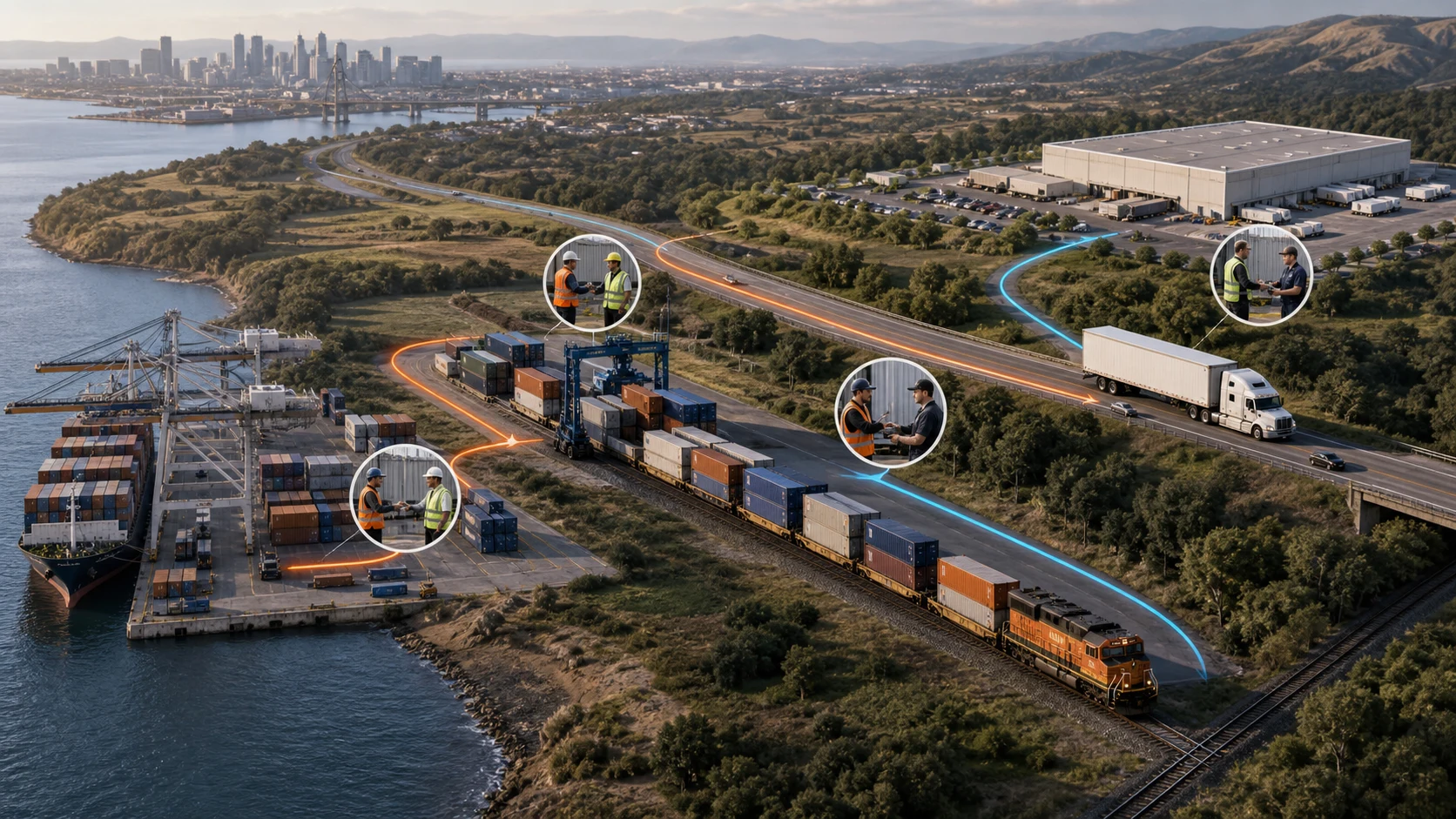
A practical map of the modes, nodes, documents, handoffs, and clocks that determine whether U.S. freight moves cleanly or becomes an exception.
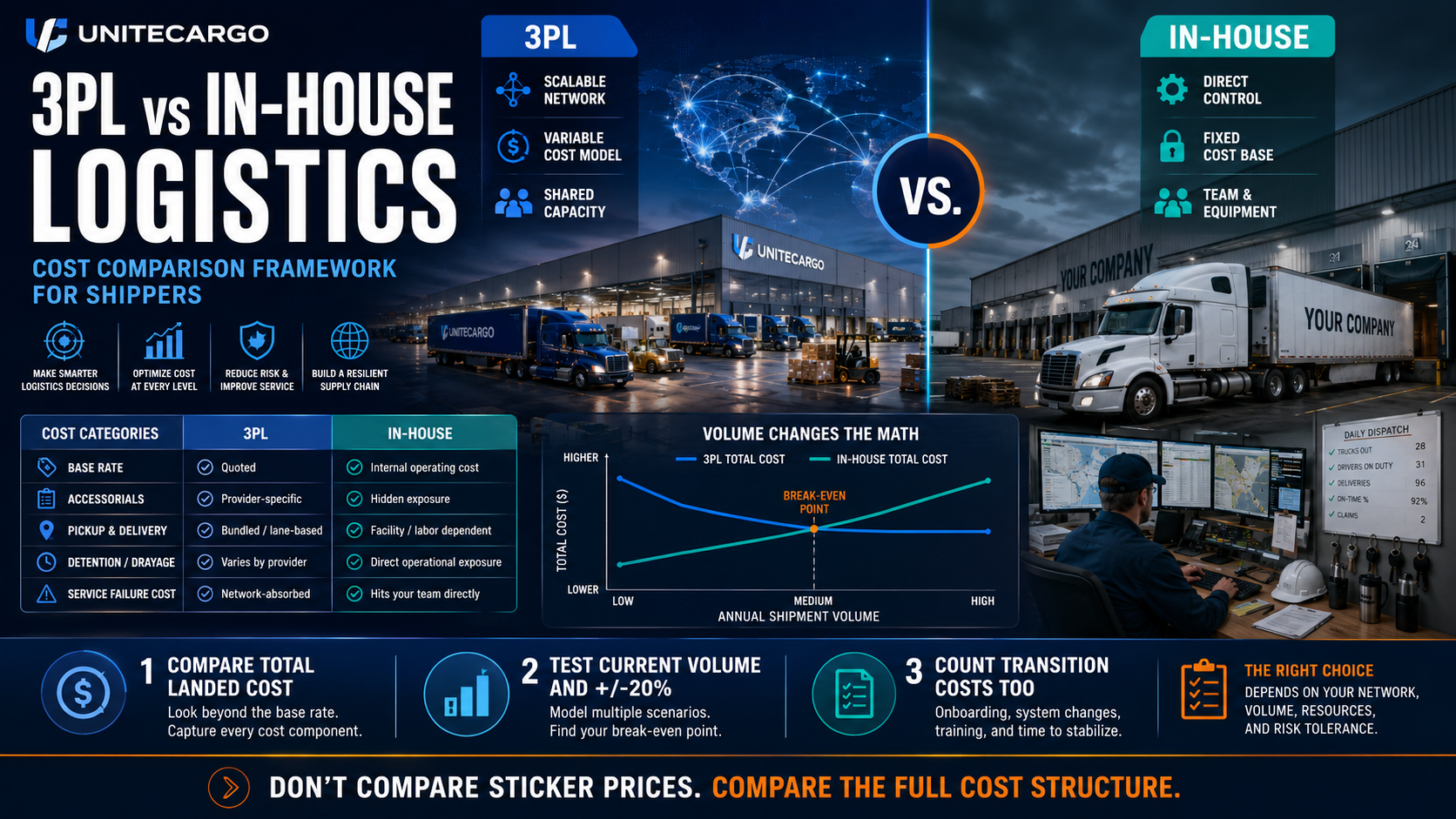
A practical framework for shippers deciding between outsourcing logistics or building internal capability. The answer isn't the same for every operation.
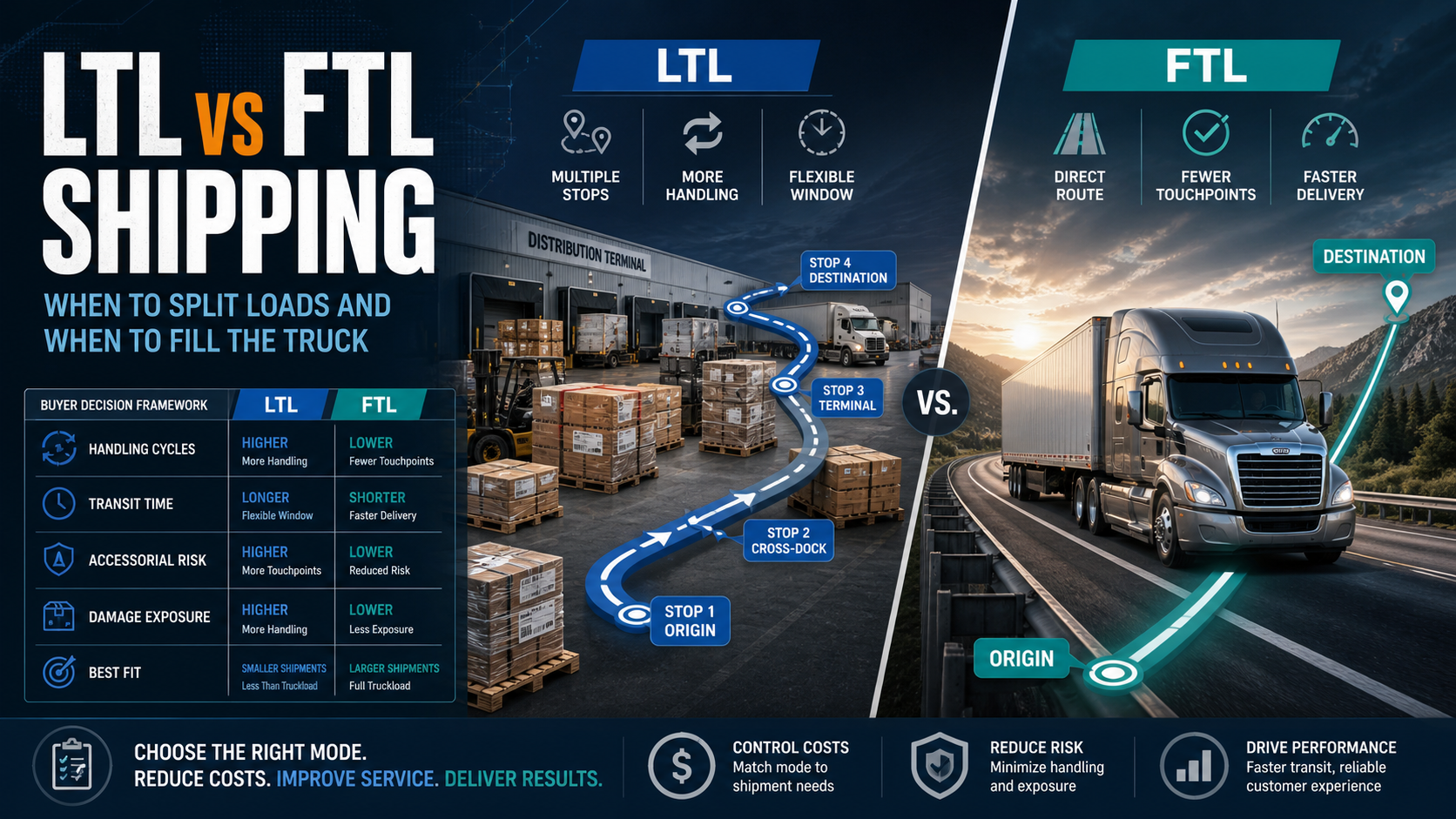
Updated decision framework for LTL versus full truckload: handling cycles, cube, delivery windows, and when bulky metro freight is actually a last-mile problem.
Refresh of the 15-point broker check: verify MC authority, match the desk to the corridor, and know when a Texas or California shipper should skip the broker and use a carrier or 3PL instead.
Discover why Indianapolis 3PL providers leverage Indiana's strategic location to reach 80% of the US population within one day, making it the premier logistics hub in America.
![Maryland 3PL Services: Baltimore, Towson, and Beyond [2025 Guide]](https://ondihsteotkehvsbkeox.supabase.co/storage/v1/object/public/blog_images/UNITECARGO_MARYLAND_3PL.png)
Discover Maryland's top third-party logistics providers, from Baltimore's port-side operations to Towson's distribution centers. This comprehensive guide covers the state's strategic advantages, leading 3PL companies, and technology innovations shaping logistics in 2025.
Diversified Transfer & Storage is a Billings carrier, warehouse, and 3PL family (MC215020, USDOT 357293). Compare the documented identities and the other verified Billings options.

Alaska's freight companies serve as critical infrastructure, from historic family businesses to cutting-edge facilities, overcoming extreme challenges to keep remote communities supplied and connected.
Discover how BDL4 and modern warehouse facilities are revolutionizing logistics with advanced automation, strategic locations, and comprehensive fulfillment services for businesses of all sizes.
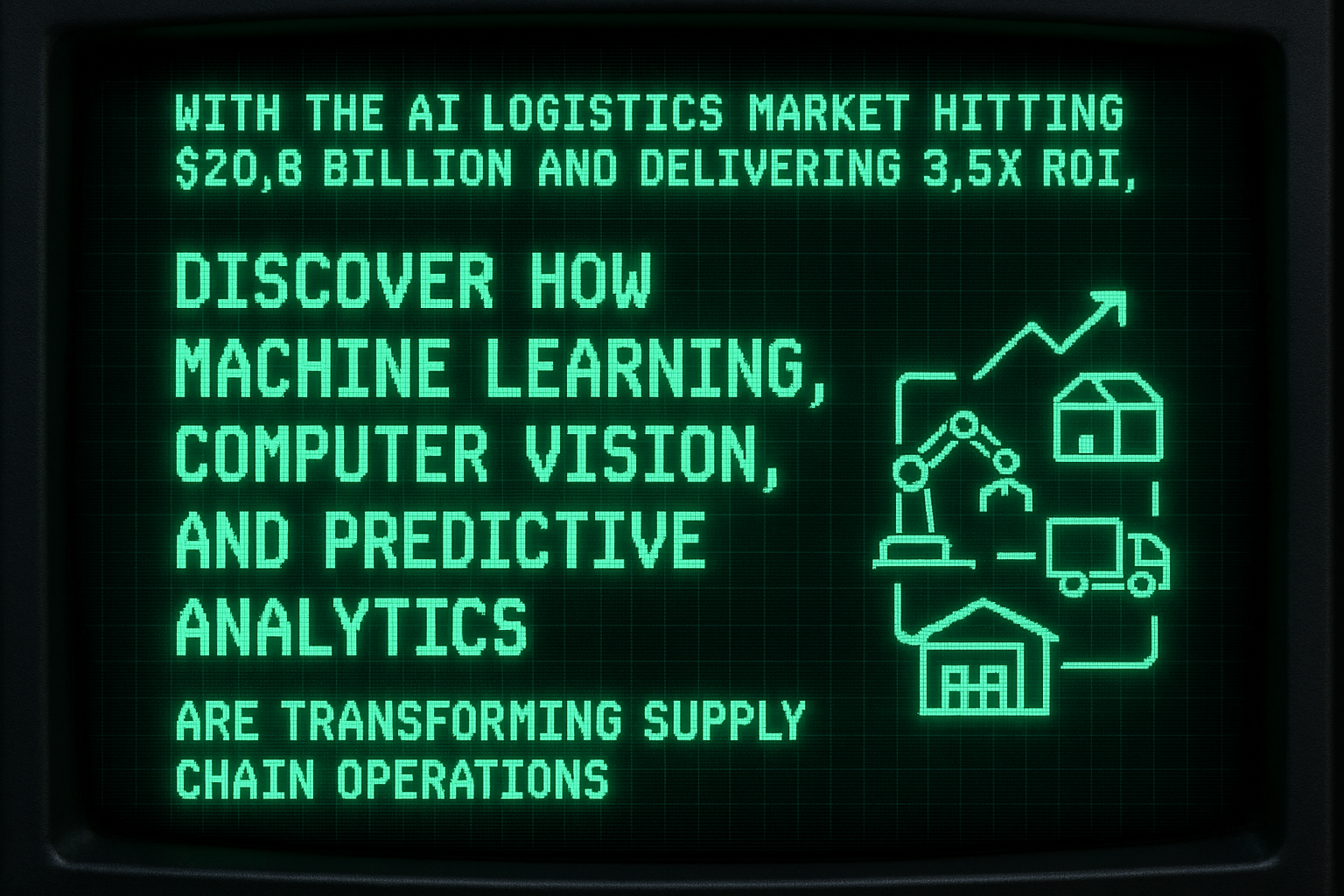
With the AI logistics market hitting $20.8 billion and delivering 3.5x ROI, discover how machine learning, computer vision, and predictive analytics are transforming supply chain operations.

With $419 billion at stake and net-zero deadlines looming, US logistics faces its greatest transformation. Discover how electric trucks, AI, and carbon programs are reshaping freight.
Discover the dynamic logistics sector in the Pacific Northwest, featuring top providers, emerging trends, and how UniteCargo's directory can connect you with verified partners to navigate this vital industry.

Amid economic uncertainties and technological advancements, the US retail sector is evolving with AI, omnichannel strategies, and sustainability at the forefront.

As digital shopping evolves amid economic shifts and technological advances, US e-commerce is set for sustained growth, driven by AI, mobile, and sustainable practices.

As cost pressures, labor shortages, and trade uncertainties converge, U.S. logistics is embracing technology and strategic resilience to meet rising demand and drive growth.
In a rapidly evolving global landscape, the US logistics sector is embracing technology, sustainability, and resilience to drive efficiency and growth.